
How to Create a Signature Room Guests Remember—and Photograph
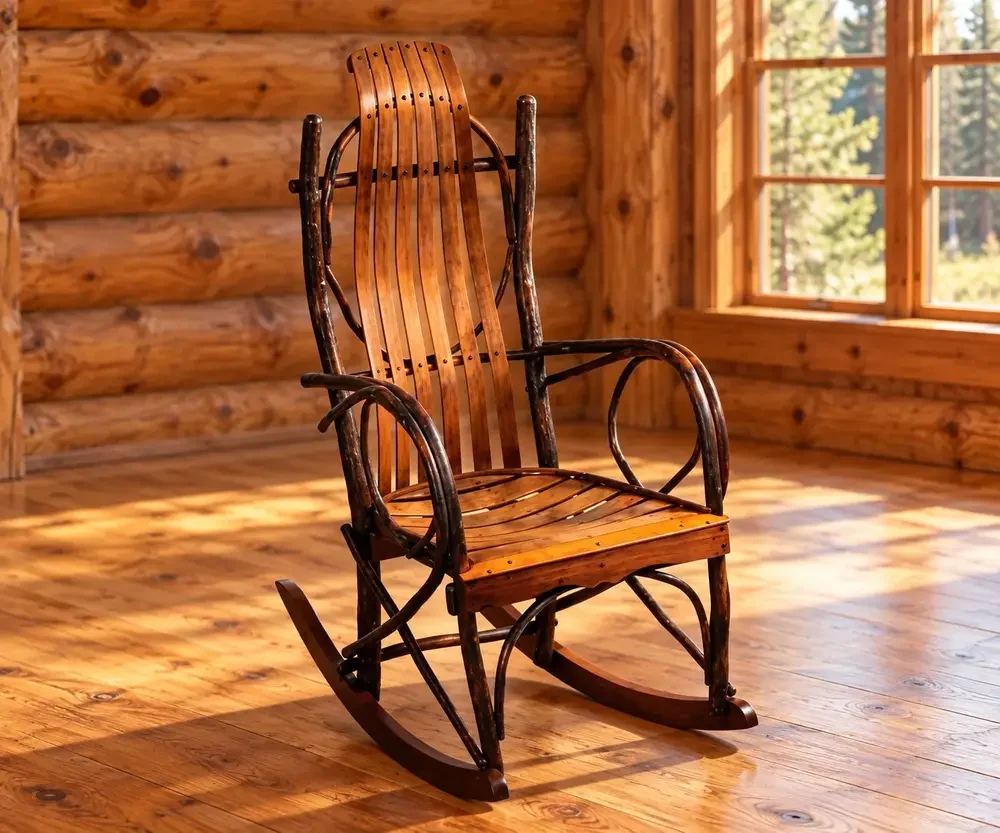
A signature room gives a mountain rental a clear identity. It might be a reading corner under a tall window, a bedroom anchored by a distinctive bed, or a compact gathering space around an unusual table. The room becomes memorable when its strongest feature is easy to see and pleasant to use.
Choose one idea you can describe simply
Start with a short description: a quiet place to read beside the trees, a rustic bedroom with impressive log forms, or an intimate space for cards after dinner. That description should guide the furniture selection and prevent unrelated ideas from accumulating.
Work with an architectural feature the cabin already offers. A window, an alcove, or an exposed beam can provide character without requiring an oversized furniture purchase. Consider how people will enter the room and what they see first.
Pick the anchor before the accessories
Select the chair, bed, cabinet, or table that gives the room its purpose. Check dimensions, comfort, and function before building the decorative layer around it. An attention-grabbing seat that no one enjoys sitting in is unlikely to become a favorite spot.
Let surrounding pieces support the anchor. A distinctive rocking chair might need a quiet side table and well-placed light. A highly figured tabletop may benefit from simpler seating rather than another competing pattern.
Make the room work from more than one angle
Examine the arrangement from the doorway, the main seat, and the likely photography position. Remove visual clutter, but keep the useful furniture in place. Listing images should represent the room guests will find when they arrive.
Check where everyday belongings will go. A room can lose its inviting appearance quickly if it has no place for bags, books, or a drink. Practical storage helps preserve the intention behind the design during an actual stay.
Give the feature an honest story
Describe the material, builder, or design only as specifically as your records support. If a piece is custom, explain the problem it was designed to solve. If you use a concept rendering while planning, label it clearly and replace it with actual room photographs when documenting the finished space.
Avoid claiming that a particular room or furniture purchase produced more bookings without evidence. The useful goal is a coherent, comfortable space that your photographs and description can represent accurately.
Bring a single-room idea to Amish Home Furniture and compare the pieces that could anchor it. Explore chairs, bedroom furniture, and accent pieces, then visit our showrooms to choose a focal point for more than its appearance on a screen.