
How to Plan a Cabin Deck With Poly Dining and Lounge Furniture
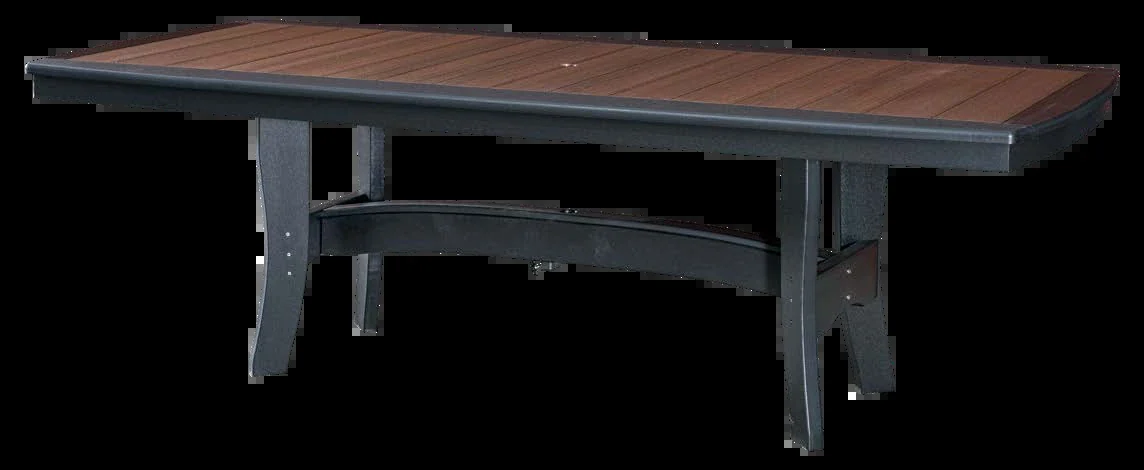
A deck layout succeeds when people can use the furniture without constantly moving it. Start by drawing the deck’s boundaries and fixed features, then give dining, lounging, and circulation their own space. This approach helps you select poly furniture that fits the setting instead of squeezing the setting around a set.
Map what cannot move
Mark the house door, steps, posts, railings, grill location, and any other permanent feature. Identify the normal walking route from the house to the yard. Doors should be able to operate as intended, and access routes need to remain usable when every seat is occupied.
Take measurements on site rather than relying on an old property listing. A deck’s overall dimensions do not reveal how much space posts, corners, or changes in level remove from the furnishing area.
Choose the main activity
If outdoor meals are central to the stay, place the dining group first. Consider how food reaches the table and how guests get into each chair. If the deck is mainly a place to relax, prioritize the most useful seating arrangement and add dining only if space allows.
Avoid treating unused square footage as a requirement to buy another piece. Open space can make a small deck more comfortable and a large deck easier to navigate.
Check furniture in use
Table dimensions alone are not enough. Use the actual chair dimensions and allow for people to sit down, pull back, and pass behind one another. Ask for the relevant clearance guidance when comparing moving seats, including gliders and rockers.
Mark the proposed arrangement on the deck with removable tape. Have someone sit where each chair would go while another person walks the main route. This is a practical way to discover a problem before ordering a large table.
Connect the zones through a few details
Dining and lounge pieces do not need identical shapes. A shared color, compatible hardware appearance, or similar visual weight can make them feel related. Choose a small number of deliberate connections and let each area serve its purpose.
Include surfaces where people will need them. A side table near a lounge chair can be more useful than a larger decorative piece elsewhere. Think about where cushions and other loose items will go when the deck is not in use.
Take the drawing to the showroom
Bring your plan, photographs, and a list of who uses the property to Amish Home Furniture. Compare poly tables and seating together so you can judge proportions and comfort. Verify the dimensions, available finishes, care requirements, and appropriate use of each selected model.
Our showroom locations provide a starting point for turning a deck sketch into a furniture arrangement. The most useful result is an outdoor room people can comfortably use, with enough open space to enjoy the setting around it.