
Mountain Airbnb Furniture Budgets: Where to Spend and Where to Simplify
A furniture budget is easier to manage when it follows the way the cabin will be used. Begin with a complete item list, then decide which choices deserve the most comparison and which can stay simple. The objective is a functional property with deliberate priorities, rather than a collection of purchases made room by room without a total.
Separate the essential items from the finishing layer
List furniture required for sleeping, sitting, dining, and useful storage. Add the pieces that make those activities convenient, including bedside surfaces and occasional tables. Keep decorative accessories on a separate list so they do not conceal a shortfall in essential furniture.
Record quantity, expected dimensions, quoted price, and room assignment for every item. Use a separate column for costs such as delivery, setup, applicable tax, and any other charges identified in the quote. Compare complete totals instead of comparing one advertised starting price with another order’s finished cost.
Spend attention where people spend time
Beds, everyday seating, and dining chairs deserve careful testing because guests use them repeatedly. Compare comfort and construction in person. Ask what the manufacturer specifies about care and the property’s intended use.
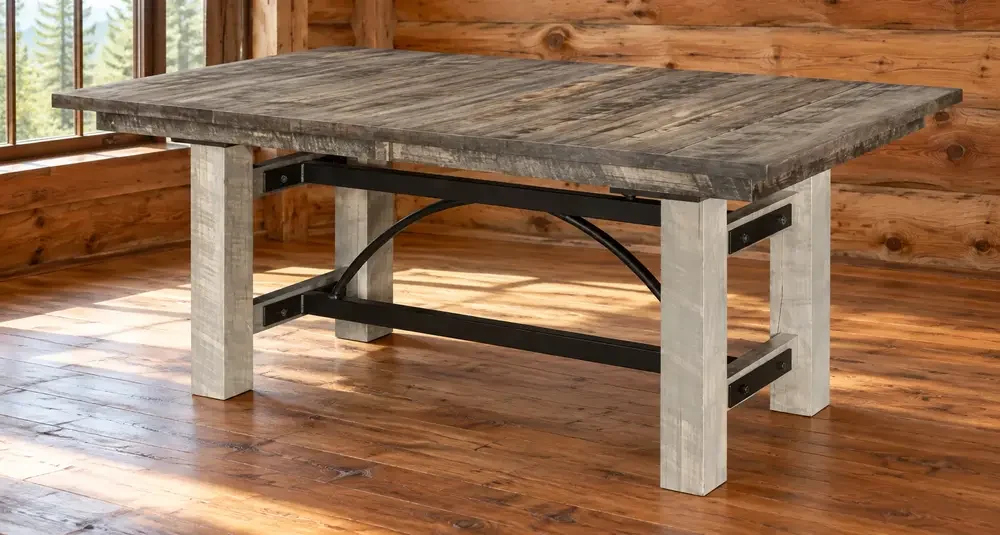
A strong focal piece can help establish a room’s character, but it should not prevent you from providing the rest of the useful furniture. A smaller selection of coordinated pieces may work better than one impressive purchase surrounded by unresolved needs.
Simplify through function and proportion
You may not need a dresser and a chest in every bedroom if the actual storage requirement is smaller. A compact side table can serve a chair without taking the space of a larger occasional piece. Assess each item by the job it performs.
Packages can make coordination easier, but compare the written inventory with your own checklist. Confirm sizes, selected materials, finishes, and exclusions. A photograph may include bedding or accessories that are outside the furniture package.
Track changes before they become surprises
Keep one current version of the furnishing schedule. When you change a wood, fabric, size, or quantity, update the quote and the total. Build your timing plan around confirmed estimates rather than an assumed opening date.
For a rental, a furnishing budget is one part of a broader operating plan; it is not a forecast of bookings or profit. Furniture cannot establish the property’s return on its own.
Use Amish Home Furniture’s catalog to identify the categories you need, then bring your item list to Blairsville or Ellijay. Comparing the whole plan makes it easier to choose where a custom piece adds value and where a straightforward design meets the need.